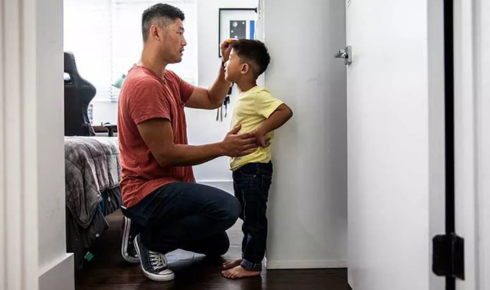
Parents often think of growth as simply getting taller, but pediatric growth is actually one of the best indicators of a child’s overall health. A steady growth pattern reflects the combined influence of nutrition, hormones, genetics, sleep, and physical development. When growth slows unexpectedly, it can sometimes be the body’s first sign that something deserves closer attention.
Fortunately, modern pediatric medicine offers several ways to evaluate growth and help families better understand what is normal for their child.
Every Child Grows on Their Own Timeline
It’s easy to compare children with classmates or siblings, but those comparisons are rarely helpful. Some children experience growth spurts earlier, while others continue growing steadily into their teenage years.
Healthcare providers focus on questions such as:
- Has the child continued growing consistently?
- Has growth slowed over the past few years?
- Is the child following their expected growth curve?
- Has puberty started at an appropriate time?
- Are weight and height progressing together?
Looking at these trends provides much more useful information than a single height measurement.
Predicting Adult Height Isn’t an Exact Science
One question pediatricians hear frequently from both parents and children is, how tall will I be when I grow up?
While doctors can estimate adult height using parental heights, bone age studies, and growth charts, no prediction is guaranteed. Genetics establish a potential range, but factors such as nutrition, overall health, hormone function, and the timing of puberty can all influence a child’s final adult height.
Because of these variables, ongoing growth monitoring is often more valuable than focusing on one prediction alone.
When Is Further Evaluation Recommended?
Many children who are shorter than average are perfectly healthy. However, physicians may recommend additional evaluation if a child:
- Grows significantly less than expected over a year
- Falls across multiple growth percentiles
- Shows delayed puberty
- Has poor weight gain
- Has symptoms of a chronic illness
- Has laboratory findings suggesting a hormonal concern
The goal is to determine whether growth is simply following a normal pattern or whether an underlying condition should be addressed.
Understanding hgh for kids
Parents researching hgh for kids often discover that growth hormone therapy is considered only after a comprehensive medical evaluation. Treatment is not based solely on a child’s height but rather on the reason behind slower growth.
Specialists carefully review growth velocity, hormone testing, bone age, predicted adult height, and overall health before determining whether therapy may be appropriate. Children who qualify continue receiving regular follow-up care to monitor progress and ensure treatment remains aligned with their individual needs.
Exploring height treatment Options
Families considering height treatment should understand that there is no single solution that applies to every child. Some children simply require reassurance and ongoing observation, while others may benefit from addressing nutritional concerns, treating an underlying medical condition, or, in selected cases, hormone therapy.
The most appropriate approach depends on the child’s diagnosis, remaining growth potential, and overall health. An individualized treatment plan helps ensure care is both safe and evidence-based.
Why Early Evaluation Can Be Helpful
Growth takes place during a limited window of childhood and adolescence. As puberty progresses, growth plates gradually mature until they eventually close, ending natural height growth.
Seeking evaluation when concerns first arise gives healthcare providers more time to identify possible medical conditions and discuss appropriate management options while meaningful growth potential remains.
Even when treatment isn’t necessary, families often leave with a clearer understanding of their child’s expected growth pattern and future development.
Final Thoughts
Every child follows a unique path of growth and development. Rather than comparing children with their peers, parents should focus on steady progress, healthy daily habits, and regular pediatric care.
When questions about height arise, obtaining a comprehensive medical evaluation can provide valuable answers, identify treatable conditions when present, and help children achieve their natural growth potential with confidence.