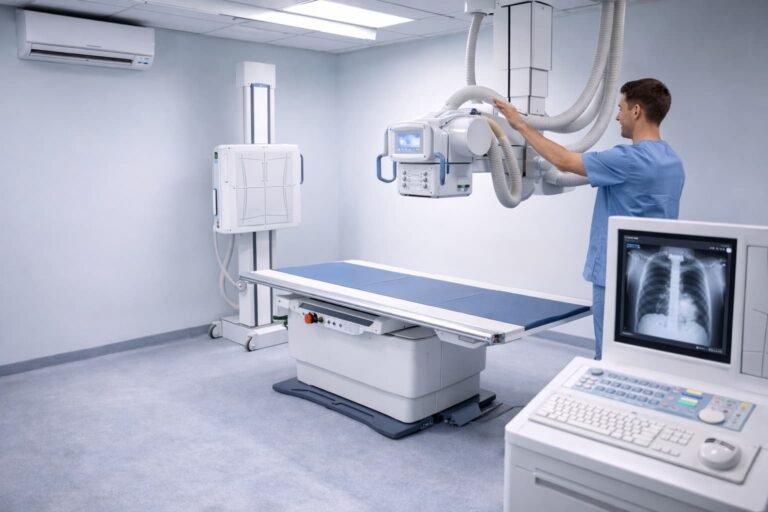
Selecting the right imaging technology is one of the most important decisions a healthcare organization can make. A well-designed digital radiography system not only produces high-quality diagnostic images but also improves workflow, enhances patient experience, and supports long-term operational efficiency. As healthcare providers continue to modernize their imaging departments, choosing the right solution requires careful evaluation of clinical needs, workflow demands, and future scalability.
Whether upgrading from computed radiography or expanding an existing digital environment, hospitals should look beyond technical specifications and focus on how a system supports daily clinical operations.
Evaluate Your Clinical Requirements
Every hospital serves a different patient population. Emergency departments often require rapid image acquisition, while outpatient facilities may prioritize workflow efficiency and patient throughput.
Understanding examination volumes, imaging applications, and departmental goals helps narrow the selection of suitable digital radiography systems. Facilities performing a high number of trauma, orthopedic, or chest examinations should consider solutions that deliver consistent image quality while supporting fast image availability.
A reliable digital detector plays a central role in achieving these objectives by providing immediate image capture and dependable clinical performance.
Focus on Workflow Efficiency
An efficient imaging workflow benefits both patients and healthcare professionals. Modern digital radiography eliminates the manual handling associated with CR radiology, reducing examination time and allowing technologists to review images immediately after exposure.
Shorter workflows increase patient throughput while helping imaging departments manage growing demand without additional staffing.
Integration with PACS, RIS, and electronic medical record systems further improves communication across clinical teams and accelerates reporting.
Hospitals investing in DR imaging solutions often experience measurable improvements in operational efficiency.
Consider Image Quality and Diagnostic Performance
Image quality directly influences clinical decision-making. A modern digital X ray system should consistently produce clear, high-resolution images across a wide range of anatomical examinations.
Advanced detector technology, intelligent image processing, and automated exposure optimization all contribute to improved visualization and diagnostic confidence.
Healthcare organizations should evaluate detector performance across different patient sizes and examination types to ensure reliable results in everyday clinical practice.
Plan for Future Growth
Technology investments should continue delivering value for many years. Scalable digital radiography systems allow healthcare providers to expand imaging capacity, add new detectors, or integrate advanced software without replacing the entire infrastructure.
Future-ready platforms also support evolving clinical workflows, artificial intelligence applications, and enterprise-wide imaging strategies.
Planning for scalability helps hospitals maximize return on investment while minimizing future disruption.
Reliability Matters
Imaging departments operate continuously, making equipment reliability essential. Durable detectors, dependable service support, and straightforward maintenance help reduce downtime and maintain clinical productivity.
A dependable radiography machine combined with high-performance detector technology enables imaging teams to focus on patient care rather than equipment interruptions.
Reliable systems also contribute to predictable operating costs over the equipment’s lifecycle.
Making an Informed Investment
Selecting the right digital radiography system involves balancing image quality, workflow efficiency, scalability, and operational reliability. Healthcare organizations that carefully evaluate these factors position themselves to deliver faster diagnoses, improve patient care, and support future clinical growth.
As imaging demands continue to evolve, investing in advanced DR radiology solutions provides a strong foundation for efficient, connected, and high-quality diagnostic imaging.