
Home Blog Page 2

Top Nephrologist in Bangalore: Advanced Kidney Care for Better Health

0

Introduction

Kidneys are among the most important organs in the human body, responsible for filtering waste, balancing fluids, regulating blood pressure, and maintaining overall health. When kidney-related problems arise, timely medical attention becomes essential. Consulting a Top Nephrologist In Bangalore can help diagnose kidney disorders early and provide effective treatment plans that improve quality of life and prevent complications.

Understanding the Role of a Nephrologist

A nephrologist is a medical specialist who focuses on diagnosing, treating, and preventing diseases affecting the kidneys. These specialists manage both acute and chronic kidney conditions and work closely with patients to preserve kidney function. They also provide guidance on lifestyle modifications, medication management, and preventive care strategies.

Nephrologists play a critical role in helping patients maintain long-term kidney health and overall wellness.

Common Kidney Disorders

Kidney diseases can affect people of all ages and may develop gradually over time. Some of the most commonly treated conditions include:

  • Chronic Kidney Disease (CKD)
  • Acute Kidney Injury (AKI)
  • Kidney infections
  • Kidney stones
  • Polycystic Kidney Disease
  • Diabetic nephropathy
  • Hypertension-related kidney damage
  • Glomerulonephritis
  • Electrolyte imbalances

Early diagnosis significantly increases the chances of successful treatment and helps prevent permanent kidney damage.

Symptoms That Should Not Be Ignored

Many kidney conditions show subtle symptoms in the beginning. However, certain warning signs indicate the need for medical evaluation, including:

  • Swelling in the feet and ankles
  • Persistent fatigue
  • Blood in urine
  • Changes in urination patterns
  • High blood pressure
  • Loss of appetite
  • Nausea and vomiting
  • Difficulty concentrating

Recognizing these symptoms early can lead to faster diagnosis and better treatment outcomes.

Why Bangalore Is a Leading Destination for Kidney Care

Bangalore has established itself as one of India’s premier healthcare centers. The city is home to advanced hospitals, modern diagnostic facilities, and highly skilled specialists. Patients benefit from comprehensive treatment programs supported by state-of-the-art technology and experienced medical teams.

The healthcare infrastructure in Bangalore ensures patients receive high-quality nephrology care tailored to their individual needs.

Choosing the Right Kidney Specialist

Finding the right Nephrologist In Bangalore is an important step toward effective kidney care. A qualified specialist will carefully assess your medical condition, perform necessary diagnostic tests, and create a personalized treatment strategy. Experience, patient satisfaction, and access to advanced healthcare facilities are key factors to consider when selecting a nephrologist.

A trusted kidney specialist can help patients navigate complex treatment decisions with confidence.

Advanced Diagnostic Methods

Accurate diagnosis forms the foundation of successful treatment. Modern nephrology uses advanced technologies to evaluate kidney health, including:

  • Blood investigations
  • Urine analysis
  • Ultrasound imaging
  • CT scans
  • MRI scans
  • Kidney biopsy
  • Glomerular filtration rate testing

These diagnostic tools provide valuable information that helps nephrologists determine the most effective treatment approach.

Treatment Options for Kidney Diseases

Treatment plans vary depending on the severity and type of kidney condition. Common treatment methods include:

  • Medication management
  • Blood pressure control
  • Diabetes management
  • Dietary counseling
  • Fluid management
  • Dialysis support
  • Kidney transplant evaluation

The primary objective is to preserve kidney function, slow disease progression, and improve the patient’s quality of life.

Importance of Preventive Kidney Care

Preventing kidney disease is often easier than treating advanced conditions. Individuals can protect their kidney health by adopting healthy habits such as:

  • Drinking sufficient water daily
  • Following a nutritious diet
  • Exercising regularly
  • Avoiding excessive salt consumption
  • Managing blood sugar levels
  • Monitoring blood pressure
  • Avoiding tobacco use

Regular health screenings can help detect kidney issues before symptoms become severe.

Dialysis and Long-Term Management

For patients with advanced kidney failure, dialysis may become necessary. Nephrologists oversee dialysis treatments and monitor patient progress closely. They also provide education regarding lifestyle modifications, medication adherence, and dietary adjustments to support long-term health and improve treatment outcomes.

Comprehensive management ensures patients receive continuous care throughout their kidney health journey.

Conclusion

Kidney health is essential for maintaining overall wellness and should never be neglected. Seeking timely care from an experienced nephrologist can make a significant difference in diagnosis, treatment, and recovery. Bangalore offers access to world-class kidney care through advanced medical facilities and skilled specialists. By prioritizing preventive care, routine checkups, and professional medical guidance, individuals can protect their kidneys and enjoy a healthier, more active life.
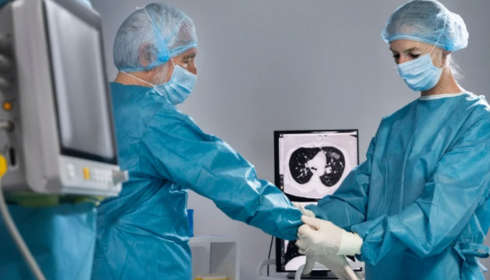

The Growing Impact of Robotic Surgery Platform Technology in Modern Healthcare

0

Healthcare technology continues to evolve rapidly as hospitals and medical professionals seek advanced solutions that improve surgical precision, patient safety, and recovery outcomes. One of the most significant innovations in modern medicine is the structural heart disease treatment solutions. These advanced systems combine robotics, digital imaging, software controls, and minimally invasive surgical technology to support complex medical procedures across many healthcare specialties.

Robotic surgery platforms are transforming operating rooms worldwide by allowing surgeons to perform procedures with greater control, enhanced visualization, and improved flexibility compared to many traditional surgical methods. As minimally invasive surgery becomes increasingly important in healthcare, robotic systems are playing a major role in improving clinical outcomes and operational efficiency.

The continued development of robotic assisted technologies reflects the healthcare industry’s growing focus on innovation, precision medicine, and patient centered surgical care.

Understanding Robotic Surgery Technology

A robotic surgery platform is an advanced medical system designed to assist surgeons during surgical procedures. The robotic system does not operate independently because every movement remains under the direct control of the surgeon.

Most robotic platforms include a surgeon console, robotic arms, high definition imaging systems, and specialized surgical instruments. The surgeon controls the robotic instruments using hand controls and foot pedals while viewing magnified three dimensional images of the surgical area.

The robotic system translates the surgeon’s movements into highly precise instrument actions inside the patient’s body. These instruments are capable of rotating and moving with greater flexibility than many traditional laparoscopic tools.

Robotic surgery platforms are primarily used during minimally invasive procedures where operations are performed through small incisions rather than large open surgical approaches.

Benefits for Surgeons and Patients

One of the greatest advantages of robotic surgery is improved surgical precision. Robotic systems help reduce unintended hand movement while allowing surgeons to perform delicate procedures with greater stability and control.

Patients often experience faster recovery and reduced postoperative discomfort because robotic procedures usually involve smaller incisions than traditional open surgery. Smaller incisions may also reduce blood loss, scarring, and infection risk.

Enhanced visualization is another major benefit. High definition three dimensional imaging allows surgeons to view anatomical structures with exceptional clarity and depth perception during operations.

Robotic systems also improve ergonomics for surgeons. The surgeon console reduces physical strain during lengthy procedures while improving comfort and concentration within the operating room.

Hospitals may benefit from shorter patient recovery times, improved patient satisfaction, and increased demand for advanced minimally invasive surgical services.

Importance in Minimally Invasive Surgery

Minimally invasive surgery has become a major focus in healthcare because it improves patient recovery while reducing surgical trauma. Robotic platforms play a central role in supporting these advanced procedures.

Traditional laparoscopic surgery already reduced incision size compared to open procedures, but robotic systems offer additional advantages including improved instrument articulation and superior visualization.

Robotic instruments can rotate and move with greater precision inside confined anatomical spaces. These capabilities help surgeons perform intricate tissue dissection and suturing during complex procedures.

The flexibility and control provided by robotic platforms make them especially valuable during operations involving delicate anatomical structures and difficult surgical access.

As minimally invasive surgery programs continue expanding globally, demand for robotic technology is expected to increase significantly.

Applications Across Medical Specialties

Robotic surgery platforms are used across many medical specialties because of their versatility and precision. Urology is one of the most common fields for robotic surgery, particularly during prostate and kidney procedures.

Gynecological surgeries including hysterectomies and endometriosis treatment also benefit from robotic assisted techniques. Surgeons can perform minimally invasive pelvic procedures with improved control and visibility.

General surgery applications include colorectal surgery, hernia repair, bariatric procedures, and gastrointestinal operations. Thoracic surgeons use robotic systems during lung and chest procedures where precision is especially important.

Cardiovascular surgery has also adopted robotic technology for selected minimally invasive heart procedures. As robotic systems continue evolving, additional healthcare specialties are expected to integrate these technologies more broadly.

Technological Innovations Driving Industry Growth

Medical technology companies continue investing heavily in robotic surgery research and development. Modern systems are becoming more advanced, intelligent, and digitally integrated within healthcare environments.

Enhanced imaging capabilities now provide highly detailed three dimensional visualization that improves surgical accuracy and tissue identification. Improved robotic instruments also offer greater flexibility and control during procedures.

Artificial intelligence is expected to play an increasingly important role in future robotic platforms. AI technologies may support surgical planning, procedural guidance, and real time decision making during operations.

Digital connectivity and data analytics are also becoming more common within robotic systems. Hospitals may use these technologies for performance monitoring, procedure recording, and surgical education.

Manufacturers are additionally developing smaller and more portable robotic systems that may improve accessibility across different healthcare settings.

Importance of Surgeon Training and Safety

Although robotic surgery provides many advantages, specialized training is essential for safe and effective use. Surgeons must learn robotic system controls, instrument handling techniques, and minimally invasive surgical workflows.

Hospitals often provide simulation based education and supervised training programs to help surgeons develop robotic surgery skills. Ongoing professional education supports safe adoption of evolving technologies and advanced procedures.

Operating room staff must also understand robotic system setup, equipment management, and troubleshooting processes. Strong team coordination is important for maintaining efficiency and patient safety during robotic procedures.

Routine equipment inspection and quality assurance are equally important for ensuring reliable robotic system performance.

Challenges Facing Robotic Surgery Adoption

Despite rapid growth, robotic surgery technology also faces several challenges. One of the largest barriers is cost because robotic systems require substantial investment for acquisition, maintenance, and operating room integration.

Training requirements and infrastructure needs may limit adoption in some healthcare facilities. Specialized operating room configurations and technical support are often necessary for robotic surgery programs.

Procedure costs can initially be higher than conventional surgery due to equipment expenses and operational requirements. However, many healthcare providers continue investing in robotic platforms because of their long term clinical and operational advantages.

Cybersecurity and digital system integration are additional concerns as robotic technologies become increasingly connected within healthcare networks.

Future Outlook for Robotic Surgery Technology

The future of surgery will likely involve even greater integration of robotics, artificial intelligence, imaging systems, and digital healthcare technologies. Smart operating rooms may combine these innovations into highly connected surgical environments that improve efficiency and patient outcomes.

Robotic systems are expected to become more intelligent, accessible, and versatile as technology continues advancing. Future platforms may offer improved automation support, enhanced data analytics, and expanded minimally invasive capabilities.

As healthcare systems worldwide continue modernizing, robotic surgery platform technology will remain central to the advancement of surgical innovation, supporting safer procedures, greater precision, and improved healthcare outcomes for patients globally.

Kidney Care in Focus: A Practical Guide to Nephrology Services in India

0

Kidney health often doesn’t get the attention it deserves—until something goes wrong. From mild infections to chronic kidney disease, these conditions can quietly affect your overall well-being. Fortunately, India has made remarkable progress in this field, offering advanced and affordable care. Today, finding a reliable nephrology hospital in India is easier than ever, thanks to improved infrastructure and skilled specialists.

Growth of Nephrology Services in India

Over the years, India’s healthcare system has expanded significantly, especially in specialized areas like nephrology. Major cities such as Delhi, Mumbai, Chennai, and Bengaluru are home to well-equipped hospitals with dedicated kidney care units.

What’s encouraging is that even smaller cities now have dialysis centers and basic nephrology services. This expansion has made treatment more accessible for patients who previously had to travel long distances for care.

Common Kidney Disorders Treated

Nephrologists deal with a wide range of kidney-related conditions. Some of the most common include:

  • Chronic kidney disease (CKD)
  • Kidney infections
  • Kidney stones
  • Acute kidney injury
  • High blood pressure-related kidney damage

Each condition requires a different treatment approach. While some issues can be managed with medication and lifestyle changes, others may need more advanced interventions like dialysis or surgery.

Understanding Kidney Disease Treatment Options

Managing kidney problems often involves a combination of medical care and lifestyle adjustments. kidney disease treatment in India includes a variety of options depending on the severity of the condition.

For early-stage issues, doctors usually recommend medication, dietary changes, and regular monitoring. In more advanced cases, dialysis becomes necessary to filter waste from the blood when the kidneys can no longer function properly.

Kidney transplantation is another option for eligible patients. With experienced surgeons and improved post-operative care, transplant success rates in India have improved significantly over time.

Choosing the Right Nephrologist

Selecting the right specialist plays a crucial role in effective treatment. Nephrologists are trained to diagnose and manage kidney-related conditions, but their experience and area of focus can vary.

When choosing a doctor, consider their qualifications, experience, and hospital affiliation. A well-equipped hospital with modern diagnostic tools can make a big difference in treatment outcomes.

It’s also important to feel comfortable with your doctor. Clear communication and proper guidance can help you understand your condition better and follow the treatment plan more effectively.

Importance of Early Diagnosis

Kidney diseases often develop silently, showing symptoms only in advanced stages. Signs like swelling, fatigue, changes in urination, or high blood pressure should not be ignored.

Regular health check-ups, especially for people with diabetes or hypertension, can help detect kidney problems early. Early diagnosis not only prevents complications but also reduces the need for intensive treatments later.

Cost and Accessibility of Treatment

One of the major advantages of seeking treatment in India is affordability. Compared to many countries, kidney treatments—including dialysis and transplantation—are more cost-effective here.

Private hospitals offer advanced facilities and shorter waiting times, while government hospitals provide budget-friendly options. Health insurance coverage has also improved, making it easier for patients to access necessary care.

Role of Technology in Kidney Care

Technology is playing a growing role in nephrology. Advanced diagnostic tools help detect kidney issues at an early stage, while modern dialysis machines improve patient comfort and efficiency.

Telemedicine has also made follow-up consultations easier, especially for patients in remote areas. This ensures continuous care without frequent hospital visits.

Final Thoughts

Kidney health is an essential part of overall well-being, yet it is often overlooked until symptoms become serious. With the advancement of medical facilities and expertise, India offers reliable solutions for a wide range of kidney conditions.

The key is to stay aware, seek timely medical advice, and follow a consistent treatment plan. With the right care and lifestyle choices, managing kidney health becomes much more achievable, allowing you to lead a healthier and more comfortable life.

A Complete Guide to Choosing a Urologist in Bangalore

0

When it comes to maintaining your health, especially issues related to the urinary tract or male reproductive system, choosing the right specialist is crucial. If you’re searching for a reliable urologist in bangalore, you’re already on the right path toward better care and long-term wellness. Bangalore, known for its advanced healthcare infrastructure, offers a wide range of experienced professionals who specialize in diagnosing and treating urological conditions.

Why You Might Need a Urologist

Urologists deal with conditions affecting the kidneys, bladder, urethra, and male reproductive organs. Common reasons people consult a urologist include kidney stones, urinary tract infections (UTIs), prostate problems, infertility, and even certain cancers. Many people delay visiting a specialist due to hesitation or lack of awareness, but early diagnosis can make a significant difference.

In a city like Bangalore, where healthcare facilities are modern and accessible, consulting a specialist early ensures better outcomes. Whether it’s a minor discomfort or a recurring issue, a qualified urologist can guide you with the right treatment plan.

What Makes Bangalore a Hub for Urology Care

Bangalore has emerged as one of India’s leading medical destinations. The city boasts world-class hospitals equipped with cutting-edge technology and highly trained specialists. From minimally invasive surgeries to robotic-assisted procedures, patients have access to advanced treatments that reduce recovery time and improve success rates.

Moreover, the presence of multidisciplinary hospitals means patients can receive comprehensive care under one roof. This is especially important for complex conditions that require collaboration between different specialists.

How to Choose the Best Specialist

Finding the best urologist in bangalore involves more than just a quick online search. Here are a few factors to consider:

  • Experience and Qualifications: Look for doctors with strong academic backgrounds and years of clinical experience.
  • Specialization: Some urologists focus on specific areas like kidney stones, oncology, or pediatric urology.
  • Hospital Affiliation: Doctors associated with reputed hospitals often have access to better facilities and support systems.
  • Patient Reviews: Real experiences from other patients can provide valuable insights into the doctor’s approach and effectiveness.
  • Communication Style: A good doctor should listen carefully, explain conditions clearly, and make you feel comfortable.

Taking the time to research ensures that you receive not just treatment, but the right treatment.

Common Treatments and Procedures

Urologists in Bangalore offer a wide range of services, including:

  • Kidney stone removal (laser and minimally invasive techniques)
  • Prostate surgery
  • Treatment for urinary incontinence
  • Male infertility treatments
  • Urological cancer management

Many of these procedures are now performed using advanced technologies, which means less pain, shorter hospital stays, and faster recovery.

Importance of Early Diagnosis

One of the biggest mistakes patients make is ignoring symptoms like frequent urination, pain during urination, or blood in urine. These signs may seem minor initially but can indicate serious underlying conditions.

Early consultation not only helps in accurate diagnosis but also prevents complications. With Bangalore’s advanced diagnostic tools, conditions can be detected at an early stage, making treatment more effective and less invasive.

Cost and Accessibility

Healthcare in Bangalore caters to a wide range of budgets. From premium hospitals to affordable clinics, patients have multiple options. Many hospitals also offer insurance support and flexible payment plans, making quality care accessible to more people.

Additionally, the city’s connectivity makes it easy for patients from nearby regions to travel for treatment. This has made Bangalore a preferred destination for both domestic and international patients.

Final Thoughts

Choosing the right urologist is a decision that directly impacts your health and quality of life. Bangalore offers a unique combination of expertise, technology, and accessibility, making it one of the best places in India for urological care.

Why Red Sapphires are the Bold Choice for Lily Arkwright Couples

0

When it comes to choosing a ring that perfectly symbolizes love and individuality, many couples are drawn to Lily Arkwright engagement ring designs. These collections are celebrated for their artistry, quality, and ability to cater to both classic and contemporary tastes. Among the diverse options, red sapphires have emerged as a striking and bold choice for couples who want their engagement ring to stand out from traditional diamond designs. The rich, fiery hue of red sapphires conveys passion, strength, and uniqueness, making it an ideal gemstone for those who seek something beyond the conventional.

Red sapphires are a variety of corundum, just like rubies, but they offer subtle differences that make them particularly appealing to modern couples. Their deep red tones range from bright crimson to a darker garnet shade, creating an intense visual impact. This versatility allows jewelers to craft rings that suit a wide range of styles, from understated elegance to dramatic statement pieces. For couples exploring Lily Arkwright engagement ring designs, red sapphires provide a perfect balance between traditional charm and contemporary flair, allowing for a ring that feels both timeless and refreshingly unique.

One of the most compelling reasons couples choose red sapphires is the symbolism associated with the stone. Red has long been associated with love, courage, and vitality. Choosing a red sapphire can reflect the passion and intensity of the couple’s relationship. It’s a color that naturally draws attention and radiates warmth, making the ring not only a personal symbol of love but also an accessory that stands out in any setting. For couples who want their commitment to be as vibrant and bold as their personalities, the red sapphire makes a statement that a clear or colorless stone may not.

Durability is another factor that makes red sapphires an excellent choice. With a hardness second only to diamonds, these stones are resilient enough for daily wear, which is crucial for engagement rings that are meant to be worn for a lifetime. This durability allows couples to select intricate or unconventional designs without worrying about long-term damage, opening the door to more creative expressions of style. In Lily Arkwright engagement ring designs, the use of red sapphires enables jewelers to experiment with unique settings, mixed metals, and complementary gemstone combinations that enhance the overall beauty and personality of the piece.

The versatility of red sapphires also makes them suitable for a variety of ring styles. They can be the centerpiece of a solitaire design, surrounded by smaller accent stones for added sparkle, or incorporated into vintage-inspired or modern geometric arrangements. The richness of the red hue pairs beautifully with both yellow and white gold, as well as platinum, allowing for a customized look that reflects the couple’s individual tastes. For those seeking to depart from traditional diamond rings, red sapphires offer an exciting opportunity to craft a piece that is truly distinctive.

Choosing a red sapphire engagement ring is also a celebration of personal taste and confidence. It signals a willingness to embrace bold choices and a desire to break from the ordinary. Couples drawn to Lily Arkwright engagement ring designs often appreciate craftsmanship and uniqueness, and a red sapphire embodies both qualities. It becomes more than a piece of jewelry; it represents the couple’s shared sense of adventure, passion, and devotion to one another.

In conclusion, red sapphires are a bold and beautiful choice for couples looking to make a statement with their engagement ring. Their vibrant color, symbolic meaning, durability, and versatility make them a compelling alternative to more traditional stones. Lily Arkwright engagement ring designs offer the perfect canvas to showcase these stunning gemstones, allowing couples to celebrate their love in a way that is both elegant and unforgettable. For those seeking a combination of passion, individuality, and timeless appeal, red sapphires are undeniably the gemstone of choice.

Top Oncology Hospitals in India: Where Compassion Meets Cutting-Edge Cancer Care

0

India has rapidly emerged as a global destination for affordable, advanced cancer treatment, thanks to its world-class oncology hospitals. Equipped with the latest technology and backed by internationally trained oncologists, these hospitals provide personalized care that rivals the best in the world. Whether you’re a domestic patient or an international medical tourist, finding the best oncology hospitals in india is now easier than ever.

Let’s explore what makes these institutions stand out—and why India is increasingly becoming the preferred destination for comprehensive oncology care.


Why India is a Global Leader in Oncology

Over the past two decades, India’s healthcare landscape has undergone a remarkable transformation. Major cities like Mumbai, Delhi, Chennai, Bengaluru, and Hyderabad now host state-of-the-art cancer centers with:

  • Multidisciplinary teams of medical, surgical, and radiation oncologists.
  • Robotic surgery units, PET-CT, IGRT, and proton therapy.
  • Patient-centered services, including emotional counseling, rehabilitation, and nutritional support.
  • Affordable pricing, with costs significantly lower than those in the West.

This blend of technology, expertise, and compassion makes India an ideal destination for cancer treatment.


Top Oncology Hospitals in India

Here are some of the most reputed oncology hospitals in india offering high success rates and holistic care:

1. Tata Memorial Hospital, Mumbai

A pioneer in cancer care, research, and education since 1941, Tata Memorial is a government-funded hospital known for providing high-quality cancer treatment at minimal cost. It’s particularly respected for its pediatric oncology and hematologic malignancy programs.

2. All India Institute of Medical Sciences (AIIMS), Delhi

AIIMS is one of India’s premier government-run medical institutes, offering comprehensive oncology services. It’s a top choice for patients seeking evidence-based, protocol-driven cancer treatments at low to no cost.

3. Apollo Cancer Institutes, Chennai & Hyderabad

Apollo Hospitals have established specialized cancer centers offering advanced procedures like CyberKnife, bone marrow transplants, and organ preservation surgeries. Their integrated approach includes diagnostics, surgery, radiotherapy, and post-treatment support.

4. Max Institute of Cancer Care, Delhi NCR

Max Healthcare provides precision oncology through molecular diagnostics and personalized therapy. It is accredited by NABH and JCI, ensuring global standards of care.

5. Fortis Memorial Research Institute, Gurugram

Fortis FMRI boasts advanced oncology departments with global tumor boards, robotic surgeries, and targeted therapies. International patients often opt for this hospital due to its medical excellence and concierge services.

6. Rajiv Gandhi Cancer Institute and Research Centre (RGCI), Delhi

RGCI is a nonprofit institution with over 300 beds dedicated to cancer treatment. It features a high-end nuclear medicine department, robotic surgeries, and specialized pediatric cancer units.


Key Specialties Offered

  • Medical Oncology: Chemotherapy, immunotherapy, hormone therapy
  • Surgical Oncology: Minimally invasive and robotic surgeries
  • Radiation Oncology: IMRT, IGRT, 3D-CRT, proton therapy
  • Bone Marrow Transplant: Both autologous and allogeneic transplants
  • Palliative & Supportive Care: Pain management, psychological care, and rehabilitation

Medical Tourism and Support Services

India’s top oncology hospitals offer tailored services for international patients, such as:

  • Visa and travel assistance
  • Dedicated case managers
  • Language translators
  • Customizable treatment packages
  • Post-treatment follow-up via telemedicine

This makes the country an attractive choice for cancer patients from Africa, the Middle East, Southeast Asia, and even Western nations.


Final Thoughts

Choosing the best oncology hospitals in India involves evaluating clinical expertise, infrastructure, and patient-centric services. Fortunately, India offers a growing network of accredited, internationally recognized hospitals that make this decision easier for patients and families. With affordable, advanced care and a reputation for medical excellence, India continues to lead the way in global cancer treatment.

When to Go to Emergency vs Waiting for a Regular Clinic Appointment

0

Deciding whether to rush to emergency care or wait for a clinic appointment can be stressful. A rough guideline helps. Emergencies are situations where delay could seriously worsen health or risk life.

Examples include severe chest pain, difficulty breathing, sudden weakness or numbness on one side of the body, confusion, major injuries, uncontrolled bleeding, severe allergic reactions with swelling or trouble breathing, or very high fever with alarming symptoms. In such cases, going straight to emergency services is usually the right choice.

Regular clinic or tele-consult appointments are better for long-standing issues, routine check-ups, medication adjustments and mild symptoms that aren’t rapidly getting worse.

If you’re unsure, many places have medical helplines where nurses or doctors can advise based on your symptoms. When in doubt, especially with chest pain, breathing problems, or signs of stroke, it’s safer to treat it as an emergency.

It’s better to be told “you did the right thing coming in, everything is okay” than to stay home during a real crisis.

Talking About Mental Health with Your Family Doctor for the First Time

0

Opening up about mental health can feel harder than describing physical pain. You might worry about being judged, not taken seriously, or “wasting the doctor’s time.” In reality, family doctors deal with mood, anxiety and stress-related issues every day.

You don’t need perfect words. You can start simply: “Lately I’ve been feeling very low,” or “My anxiety is getting hard to manage,” or “I’m not sleeping and my thoughts are constantly racing.” Mention how long it’s been going on and how it’s affecting daily life – work, relationships, appetite, sleep.

Your doctor may ask more questions to understand whether this looks like depression, an anxiety disorder, burnout, or something else. They might suggest counselling, lifestyle changes, medicines, or referral to a specialist, depending on severity.

Nothing you say has to be polished. You’re allowed to cry, pause, or struggle to explain. The important step is choosing to share instead of carrying everything alone.

Mental health is part of health. Bringing it into the same room as your blood pressure and blood tests is a strong, sensible choice.

How Travel Affects Your Usual Medicines: Time Zones, Missed Doses and Storage

0

Travel disrupts routines, including how and when you take medicines. Planning ahead ensures your treatment stays on track even when you cross time zones or change climates.

Before long trips, list all your regular medicines and check if you have enough for the entire journey plus a few extra days. Keep them in your hand luggage, not checked bags, in case of delays. Original packaging and prescriptions are useful for security checks or refills.

Time zone changes can confuse dosing, especially for medicines that must be taken at specific intervals, like insulin or birth control pills. For short trips, many people simply stick to home-time dosing. For bigger shifts, your doctor or pharmacist can help plan a gradual adjustment.

Storage is another factor. Some medicines need cool conditions. Cars, beaches and sunny windowsills can overheat them. Using insulated pouches or hotel refrigerators (if appropriate) protects their effectiveness.

If you miss a dose while travelling, follow the usual missed dose advice provided with the medicine or from your doctor instead of inventing your own schedule.

Reading Blood Test Reports: Understanding Common Terms Like CBC and Lipid Profile

0

Blood test reports can look intimidating with all their abbreviations and numbers. Understanding a few basics helps you discuss them more confidently with your doctor.

A CBC (Complete Blood Count) usually checks red blood cells, white blood cells and platelets. It can give clues about anaemia, infections and some other conditions. The haemoglobin value, for example, relates to oxygen-carrying capacity; low levels often cause fatigue and weakness.

A lipid profile typically measures cholesterol and triglycerides. Total cholesterol, LDL (“bad”), HDL (“good”) and triglycerides together help assess heart risk. High LDL and triglycerides, and low HDL, are generally not desirable, but your doctor will interpret them in context.

Most reports show reference ranges next to each value. Being slightly above or below doesn’t always mean something serious; trends over time and your overall health matter more than a single number.

Instead of trying to self-diagnose from reports, use them as a conversation tool. Ask your doctor which values they are most concerned about, what affects them, and what practical steps you can take to improve them.