Home Blog Page 3

Preparing Questions Before a Doctor Visit: How to Use Appointment Time Better

0

Doctor appointments are often short, and it’s easy to walk out thinking, “Oh no, I forgot to ask…” A little preparation beforehand makes a big difference in how useful the visit feels.

Start by writing down your main concerns. Instead of a long story, list the top two or three problems you want to discuss. For each, note when it started, how often it happens, what makes it better or worse, and any treatments you’ve already tried.

Have a list of current medicines, including doses and over-the-counter items. This prevents confusion and saves time. If you’ve had recent tests or reports, bring them or have them organised in your phone.

Think of a few key questions: What might be causing this? Are there alternatives to this treatment? What should I watch out for at home? How long before I should expect improvement?

Taking brief notes during the visit, or asking a family member to accompany you if you’re anxious, can help you remember instructions. Treat the appointment as a collaboration, not a one-way lecture.

Basic Inhaler Technique for Asthma: Common Mistakes That Reduce Medicine Effect

0

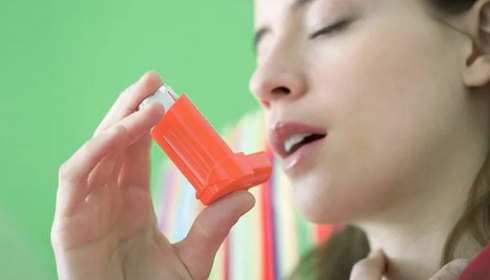
Inhalers deliver medicine directly to the lungs, which is great for asthma control. But many people never learn proper technique, so a lot of the medicine ends up on the tongue or in the throat instead of the airways.

A few common mistakes: not shaking the inhaler before use, breathing in too quickly or too late after pressing, and not holding the breath afterwards. Using the device too far from the mouth or biting the mouthpiece can also reduce effectiveness.

A basic pattern for a standard press-and-breathe inhaler is:

  1. Shake the inhaler.
  2. Breathe out gently to empty lungs.
  3. Place mouthpiece between lips and seal.
  4. Start a slow, deep breath in and press the canister once at the same time.
  5. Continue breathing in fully.
  6. Hold breath for about 10 seconds if possible, then exhale slowly.

Spacers – plastic chambers attached to inhalers – can make this process easier, especially for children or anyone who struggles with timing. They allow the medicine to hang in the chamber briefly so you can breathe it in more calmly.

Reviewing technique regularly with a doctor or nurse ensures your inhaler is doing its best work for you.

Multivitamin Tablets: When They’re Useful and When Food Is Enough

0

Multivitamins are everywhere, promising energy, immunity and better overall health in one pill. For some people, they’re helpful; for others, they’re simply an expensive habit.

If your diet is very limited, you have a diagnosed deficiency, or certain medical conditions or medicines affect nutrient absorption, your doctor may recommend supplements. In such cases, targeted vitamins or minerals – sometimes separate, sometimes in a combination – can fill gaps effectively.

However, if you generally eat a varied diet with fruits, vegetables, grains, pulses, dairy or alternatives and some healthy fats, you might already be getting what you need. Taking high-dose supplements “just in case” doesn’t automatically make you healthier and may cause problems in excess.

Supplements also can’t compensate for lack of sleep, chronic stress, smoking or inactivity. Real food brings fibre, beneficial plant compounds and enjoyment, which tablets can’t match.

The best approach is: food first, supplements when needed, and ideally under guidance rather than random self-prescription. Your body likes balance more than extremes.

Eye Drops for Redness and Dryness: Avoiding Overuse and Rebound Problems

0

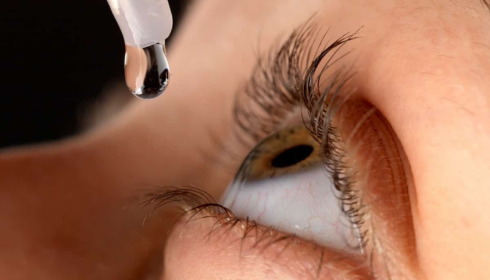
Eye drops are commonly used for dryness, tiredness or redness. But not all drops are the same, and some should not be used casually for long periods.

Lubricating or “artificial tear” drops are generally safer for regular use. They help moisten the eye surface, relieve dryness from screen time, air conditioning or mild irritation. Preservative-free options are often better if you need them many times a day.

Redness-relief drops that “make eyes white” usually work by constricting blood vessels. Over time, frequent use can lead to rebound redness – when the effect wears off, vessels dilate more, making eyes look even redder. Relying on these drops daily to look fresh is not a great plan.

If your eyes are persistently red, painful, sensitive to light, or if vision is affected, you should see a doctor rather than just increasing drop use. Infection, allergy, dryness syndrome or other conditions may be behind the symptoms.

Using the right type of drop for the right problem – and knowing when to stop – keeps your eyes healthier in the long run.

Saline Gargles and Steaming: Old-Style Home Remedies That Still Help Sore Throats

0

Saltwater gargles and steam inhalation sound like old-fashioned remedies, but they remain useful for certain mild throat and nose issues. They don’t cure everything, but they can ease symptoms and support recovery.

Warm saline gargles help soothe irritated throats, loosen mucus and wash away some germs. Mixing a small amount of salt in warm (not hot) water and gargling several times a day can reduce discomfort in simple viral sore throats. Children should only gargle if they can do it safely without swallowing.

Steam inhalation moisturises dry nasal passages and helps loosen thick mucus, making it easier to clear. It may bring short-term relief in colds or sinus congestion. Use caution with hot water to avoid burns, and avoid adding strong substances that could irritate the lungs.

These methods are supportive, not magic cures. If sore throat lasts more than a few days, is very severe, or is accompanied by high fever, difficulty breathing or swallowing, medical care is essential. Similarly, steam won’t solve serious sinus or chest infections.

Used sensibly, these simple practices can make you more comfortable while your body does the healing.

Using Painkillers Safely: Understanding Dose Limits for Common Tablets

0

Over-the-counter painkillers are useful tools for headaches, periods, minor injuries and fevers. But “available without prescription” doesn’t mean “use freely without thinking.” Understanding dose limits keeps you safe.

Most common tablets have a recommended dose and maximum daily limit printed on the pack. Exceeding these, or combining multiple products with the same active ingredient, can strain the liver, kidneys or stomach. For example, many cold-and-flu combination tablets already contain painkillers, so adding extra may unintentionally double your dose.

It’s best to take the smallest effective dose for the shortest time needed. Regular daily use for long periods, even at normal doses, should be discussed with a doctor, especially if you have existing health conditions.

Always swallow pills with water, and avoid mixing with heavy alcohol use. If pain keeps returning or worsening despite correct use, don’t just keep increasing tablet numbers; that’s your body asking for proper evaluation.

Painkillers are powerful allies when used wisely. Respecting their limits protects you from turning a quick fix into a long-term problem.

Recognising When “Just Tired” Might Be Something More Serious

0

Everyone feels tired sometimes. Busy weeks, poor sleep, heavy meals or emotional stress all drain energy. But when “just tired” becomes your default state for weeks or months, it may be a sign of something deeper.

Warning signs include fatigue that doesn’t improve with rest, getting breathless during small tasks, unexplained weight changes, persistent low mood, brain fog or frequent infections. You might go to bed early and still wake up unrefreshed, or find that simple chores feel overwhelming.

This doesn’t automatically mean a major illness, but it does mean your body is asking for attention. Possible causes range from anaemia, thyroid issues and vitamin deficiencies to sleep disorders or depression.

Instead of pushing endlessly through it with extra caffeine and willpower, consider tracking your symptoms for a couple of weeks and booking a check-up. Basic blood tests and a detailed conversation can reveal patterns.

Catching issues early often means easier, more effective treatment. You deserve more than surviving each day on empty batteries.

How Noise Pollution at Home and Work Quietly Affects Stress Levels

0

We often think of noise as an annoyance, not a health factor. But constant background noise – traffic, horns, loud TVs, office chatter, construction – can quietly raise stress levels over time.

Your brain is always monitoring sounds for potential threats, even if you’re not consciously listening. In a noisy environment, this system stays more active, which can lead to irritability, difficulty concentrating, poor sleep and even higher blood pressure in the long run.

At home, televisions or music playing loudly all day, frequent shouting, or thin walls with noisy neighbours add to the load. At work, open-plan offices without quiet corners make focus harder, especially for tasks requiring deep thinking.

While you might not control all external noise, small steps help: using soft furnishings, curtains and rugs to absorb sound, wearing earplugs or noise-reducing headphones when you need focus, and setting agreed “quiet hours” with family for certain times of day.

Being aware that noise affects your nervous system makes it easier to prioritise pockets of silence, even if only for a few minutes. Your mind and body will feel the difference.

Building a Simple Evening Routine That Helps You Sleep Faster

0

Evenings easily get swallowed by screens, work spillover and random snacking. A simple, repeatable routine can send your brain the message that it’s time to slow down, making sleep come more easily.

Start by choosing a rough “wind-down” time, maybe 30–60 minutes before bed, when you begin switching off stimulating activities. That might mean shutting work emails, reducing bright screens, and avoiding heavy mental tasks.

Create a small sequence you can follow most nights: light stretching or a short walk indoors, washing your face and brushing teeth, changing into comfortable clothes, maybe reading a few pages of a book or journaling down thoughts. None of this needs to be complicated or perfect.

Dimmer lights in the evening help your body increase melatonin naturally. Very bright overhead lighting and loud, fast-paced content keep your brain in daytime mode. If you enjoy music, softer tracks can gently shift your mood.

Aim for consistency rather than strictness. Even a simple routine, done regularly, becomes a strong cue for your body to shift from “doing” to “resting.”

The Impact of Skipping Breakfast on Energy, Mood and Cravings

0

Breakfast habits vary widely. Some people wake up hungry; others feel fine eating later. Skipping breakfast isn’t automatically “bad,” but for many people it does influence energy, mood and cravings across the day.

If you regularly skip breakfast and then find yourself extremely hungry by late morning, you might end up overeating fast, convenient foods. Blood sugar swings – sharp rises and falls – can make you feel tired, irritable or unfocused.

A balanced breakfast with some protein (eggs, yoghurt, paneer, nuts), complex carbs (whole grains, fruit) and a bit of healthy fat can provide steadier energy. It doesn’t have to be large; even a modest meal can help stabilise appetite and reduce afternoon junk cravings.

On the other hand, if you genuinely feel good with a later first meal, have stable energy and no wild cravings, forcing breakfast just because of a rule may not be necessary. The key is to watch how your body responds across the whole day, not just one hour.

What matters most is pattern: long-term chaotic eating with heavy late-night meals plus skipped mornings often harms more than a thoughtfully planned routine that suits you.