Home Blog Page 4

Hydration Myths: How Much Water You Actually Need on a Normal Day

0

You’ve probably heard “eight glasses a day” as a fixed rule for water intake. In reality, hydration needs vary from person to person. Climate, activity level, body size, diet and health conditions all influence how much fluid you require.

On a typical day for most adults, aiming for clear or pale-yellow urine is a simple, practical guide. Very dark, strong-smelling urine often suggests you need more fluids, while completely colourless urine all the time may mean you’re overdoing it.

Remember that water doesn’t come only from glasses. Soups, fruits, vegetables, tea and other beverages contribute to your overall intake. In hot weather, with heavy exercise or outdoor work, your needs increase, and you should drink more proactively.

Drinking extreme amounts of water in a short time isn’t healthy and can dilute important minerals in rare cases. Sipping regularly through the day works better than forcing litres at once.

Listen to your thirst, check your urine, and adjust for your lifestyle. Simple signals serve you better than rigid numbers.

Mixing Cardio and Weights in One Session: Smart Order and Time-Saving Tips

0

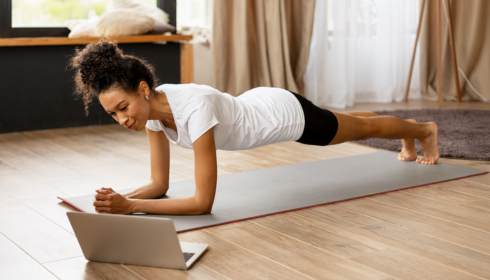
Many people have limited time and prefer to combine cardio and strength training in one workout. That’s completely fine; you just need a bit of structure so neither part suffers too much.

A common approach is to start with a short warm-up (5–10 minutes of light cardio), then do your main strength training, and finish with moderate cardio. This order ensures you’re not too exhausted to lift with good form, reducing injury risk. Your muscles are freshest for the technical, load-bearing work.

Alternatively, you can use interval-style circuits where you alternate strength and cardio moves – for example, squats followed by brisk step-ups, then push-ups followed by a short jog on the spot. This keeps heart rate elevated and saves time, but you may not lift as heavy.

If your primary goal is strength or muscle gain, give priority to weights and keep cardio moderate. If your main goal is endurance or fat loss, cardio may take a slightly larger portion, with strength as support.

Whichever pattern you choose, consistency matters more than perfection. A well-planned 40-minute mixed session twice a week beats a “perfect” split you never follow.

Breathing Techniques During Exercise: Exhale and Inhale Patterns That Help Performance

0

Breathing might seem automatic, but how you breathe during exercise affects performance and comfort. Many beginners hold their breath during effort without realising it, leading to early fatigue and dizziness.

For strength training, a simple rule helps: exhale on effort. When you lift, push or pull (the hard part of the movement), breathe out. When you lower or return to the starting position, breathe in. This pattern supports your core and prevents excessive pressure in the head and chest.

For steady cardio like walking or jogging, try to find a rhythm – for example, inhale over two steps, exhale over two or three. The exact count doesn’t matter as much as keeping the flow smooth. Breathing through the nose when possible can help maintain a sustainable pace.

If you feel very breathless, slow down slightly until you can speak in short sentences. Over time, your lungs and heart adapt, and breathing becomes easier at the same effort.

Conscious breathing also calms the mind. When exercise feels tough, focusing on steady inhales and controlled exhales can carry you through challenging minutes more safely.

Understanding DOMS: Why Muscles Hurt a Day After Training and What to Do

0

That sore, stiff feeling that hits a day or two after a new workout has a name: delayed onset muscle soreness (DOMS). It usually appears 24–48 hours after unfamiliar or intense exercise and is a normal part of your body adapting.

DOMS happens when muscles experience tiny micro-tears from new stress. As they repair and grow stronger, you feel soreness – especially when you move or press on the area. It doesn’t mean you’ve injured yourself badly, but it is a sign that the session challenged your muscles.

The best response is not complete inactivity, but gentle movement. Light walking, stretching and low-intensity activity increase blood flow and help stiffness ease. A warm shower or simple heat pack can also provide comfort. Very deep massage on extremely sore muscles, however, may feel worse.

Pain should gradually reduce over a few days. Sharp, sudden pain, swelling, or difficulty using a joint could signal injury instead of DOMS and needs attention.

To reduce future soreness, increase workout intensity gradually, include proper warm-ups and cool-downs, and give muscle groups enough time to recover between hard sessions.

Desk Stretch Routines: Five-Minute Sequences to Loosen Hips and Lower Back

0

Sitting for long hours tightens hips and stiffens the lower back. You don’t need a yoga studio to undo some of that tension; a simple five-minute stretch routine at your desk can help.

Start by scooting to the edge of your chair and sitting tall. Gently tilt your pelvis forward and back a few times to wake up the lower spine. Then, place one ankle over the opposite knee, forming a “4” shape, and lean forward slightly until you feel a stretch in the hip. Hold for 20–30 seconds and switch sides.

Next, do a seated twist: place your hand on the opposite thigh and gently turn your torso, looking over your shoulder. This loosens mid and lower back muscles. Follow up with a hamstring stretch by extending one leg forward, heel on the floor, and leaning slowly towards your toes.

Finish by standing up, reaching both arms overhead, and doing a gentle side bend each way. None of these movements should be painful; aim for mild, comfortable stretching.

Doing this a couple of times during the day won’t magically erase all discomfort, but it will keep your body from freezing in the same position for hours.

Strength Training for Beginners Using Only Resistance Bands at Home

0

Resistance bands are one of the easiest ways to start strength training at home. They’re light, cheap, and take almost no space. Don’t be fooled by their simplicity – used correctly, they can challenge muscles effectively.

Begin with a light or medium band and focus on major movement patterns: pushing, pulling, squatting and hinging. For example, you can do band chest presses anchored around your back, rows by stepping on the band and pulling towards you, and banded squats by holding the band at shoulder level.

The key is control. Move through the full range slowly, especially on the way back, when the band is trying to snap you into the starting position. That controlled return is where a lot of strength is built.

Because bands provide variable resistance (harder as they stretch), they’re gentle on joints and good for beginners or people recovering from inactivity. As you get stronger, you can combine bands, use thicker ones or add more reps and sets.

Track your progress by noting which colour band you use and how many reps feel challenging. Over time, you’ll be surprised at how much muscle and confidence a few strips of elastic can build.

Simple At-Home Foot Care to Keep Heels Soft and Crack-Free

0

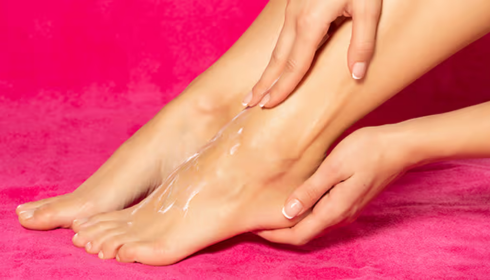
Feet work hard for you all day and often get the least care. Dry, cracked heels aren’t just a cosmetic issue; deep cracks can become painful and even infected. Regular, simple care at home can prevent most problems.

Start by washing feet daily and drying carefully, especially between the toes. Soaking in lukewarm (not very hot) water once or twice a week for 10–15 minutes softens dead skin. After soaking, gently use a pumice stone or foot file on rough areas – but don’t over-scrub.

Moisturising is key. A thicker cream or heel balm applied at night and covered with socks can make a big difference. Look for products made for rough feet rather than just light body lotions.

Well-fitting footwear is also important. Constant friction from ill-fitting shoes or open-back sandals can worsen heel dryness. If you stand all day, cushioning insoles may help too.

If cracks are deep, bleeding, or if you have diabetes or circulation problems, get professional advice rather than trying aggressive home treatment. Otherwise, a little steady care keeps your feet comfortable and ready to carry you anywhere.

Scalp Care Basics: Flakes, Itchiness and Product Buildup You Shouldn’t Ignore

0

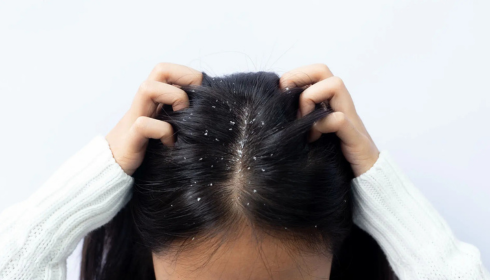
We talk a lot about skincare, but often ignore the scalp – even though it’s skin too. Flakes, itchiness, tightness or a greasy-but-dry feeling are signals that your scalp needs attention.

Dandruff is common and usually shows as white or yellowish flakes and itching. It can be linked to excess oil, a specific yeast on the skin, or sensitivity to hair products. Medicated shampoos with anti-dandruff ingredients, used correctly and regularly, often help.

Product buildup is another issue. Gels, sprays, oils and dry shampoos can coat the scalp over time if not washed out properly, leading to itch and dull hair. Occasional clarifying washes, followed by good conditioning on the lengths, keep things balanced.

Washing frequency depends on your hair type, climate and lifestyle; there’s no single right number. But “never washing” or “washing multiple times a day” usually causes problems.

If you notice hair falling in clumps, red patches, sores, thick scales or severe pain, a dermatologist should take a look. Early treatment is always easier.

Managing Under-Eye Puffiness from Late Nights and High Salt Meals

0

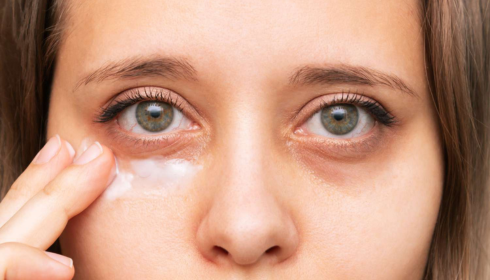
Waking up with puffy under-eyes after a salty dinner or a late night is common. The skin around the eyes is very thin, and fluid shifts in the body show up quickly there. While some puffiness is genetic or age-related, everyday habits still play a big role.

High salt intake encourages the body to hold more water. Lying flat all night can let fluid collect in the under-eye area. Lack of sleep affects circulation and makes the area look duller and heavier.

Short-term tricks include cool compresses, chilled spoons or cooling eye gels in the morning, which constrict blood vessels and reduce swelling temporarily. Gently massaging from the inner corner outwards can also encourage drainage.

Long-term, cutting down on very salty late-night snacks and improving sleep quality make more difference than any cream. Sleeping with your head slightly elevated on an extra pillow may also help reduce fluid pooling.

If puffiness is only under one eye, very severe, or accompanied by pain or vision changes, don’t just treat it as a cosmetic issue – get it checked medically.

Hyperpigmentation from Old Pimples: Everyday Habits That Help Fade Dark Marks

0

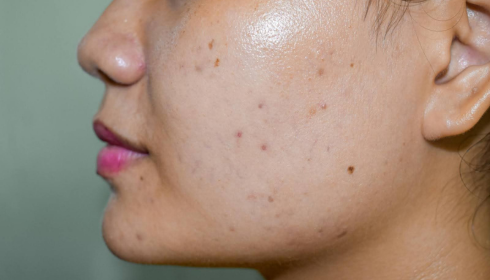
When a pimple disappears, it often leaves a stubborn dark mark, especially on medium to deep skin tones. This is post-inflammatory hyperpigmentation – extra pigment produced as the skin recovers from inflammation.

Fading these marks takes time, but daily habits help. First, avoid picking or squeezing pimples. That extra trauma makes marks darker and more long-lasting. Gentle treatment during the active pimple stage leads to lighter aftermath.

Sun protection is crucial. Even a small amount of daily sun without sunscreen can darken existing marks and slow fading. A broad-spectrum SPF used regularly does more for even tone than many expensive products.

Mild exfoliation, whether chemical (like low-strength acids) or physical (very gentle scrubs), can help remove old cells over time. But overdoing it irritates skin, causing more inflammation and new marks. Patience beats aggression here.

If marks are very persistent, a dermatologist can suggest targeted treatments – specific creams, peels or procedures – based on your skin type. Meanwhile, a simple routine with sun protection, gentle care and zero pimple-picking is a powerful foundation.