Home Blog Page 5

Seasonal Skincare Switch: Adjusting Products from Summer to Winter Without Breaking Out

0

Skin doesn’t behave the same in all seasons. What feels perfect in hot, humid months may leave you dry and irritated in winter, and vice versa. The goal is to adjust gradually, not to flip your entire routine overnight.

In summer, lighter textures usually work better – gel cleansers, fluid moisturisers and non-greasy sunscreens. Sweat and humidity make heavy creams feel suffocating and can contribute to clogged pores.

As air becomes cooler and drier, your skin starts losing more moisture. You might notice tightness after washing, flaking around the nose or cheeks, and more sensitivity. This is a good time to shift to a gentler, low-foam cleanser and slightly richer moisturiser. You don’t have to throw away summer products; simply use them in the morning and add a creamier option at night or only on drier areas.

Introduce change slowly. If you swap everything at once, it’s hard to know what’s helping and what’s causing breakouts. And remember, sunscreen is still important in winter, especially if you spend time outdoors.

Listening to how your skin feels from week to week will guide you better than any fixed rule.
Replacing Missing Teeth: Bridges, Implants and Dentures Explained in Simple Terms

0

Losing a tooth as an adult isn’t just a cosmetic issue. The neighbouring teeth can drift, your bite may change, and chewing on one side only can strain the jaw. Thankfully, there are several ways to fill the gap: bridges, implants and dentures.

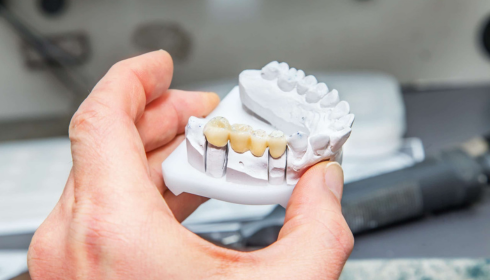
A dental bridge involves placing crowns on teeth next to the gap and suspending an artificial tooth between them. It’s fixed in place and feels quite natural, but it requires reshaping the supporting teeth.

Implants are artificial roots, usually made of titanium, placed in the jawbone. Once stable, a crown is fitted on top. Implants don’t depend on neighbouring teeth and can feel very close to natural. They usually need enough bone support and take time to integrate.

Dentures are removable replacements. They can be partial (replacing a few teeth) or full (replacing an entire arch). They’re often more affordable and can be adjusted, though they may take time to get used to and can move slightly when eating.

The “right” option depends on your mouth, health, budget and expectations. A detailed talk with your dentist about pros, cons, cost and lifespan of each option helps you make a confident choice rather than a rushed one.

Dental Check-Ups During Pregnancy: Why Gums and Teeth Need Extra Attention

0

Pregnancy is a busy, emotional time and dental visits often drop to the bottom of the list. But hormonal changes can affect your gums and teeth more than many people realise. Extra attention during these months protects both your comfort and long-term oral health.

Increased hormones can make gums more reactive to plaque. You might notice redness, swelling or bleeding when brushing – a condition often called pregnancy gingivitis. If plaque isn’t controlled, this can progress to deeper gum problems. Some women also develop small, harmless but annoying gum growths that bleed easily.

Morning sickness and reflux bring acid into the mouth, which can weaken enamel. Frequent snacking to manage nausea means more “acid attacks” through the day. Dry mouth can also appear, especially if you’re dehydrated.

Regular check-ups and professional cleanings during pregnancy are generally safe and recommended. Tell your dentist you’re pregnant so they can adapt X-ray use and treatment plans appropriately. Keeping up with gentle brushing, flossing and fluoride toothpaste becomes even more important in this period.

Your body is working hard to support new life; taking care of your gums and teeth is part of taking care of yourself.

 Acidic Drinks and Enamel Erosion: What Early Damage on Front Teeth Looks Like

0

Enamel erosion is different from cavities, but just as serious. Instead of bacteria eating into specific spots, acids from drinks and foods gradually dissolve the outer layer of the tooth. Acidic drinks like fizzy soda, energy drinks, citrus juices and even some flavoured waters can all contribute over time.

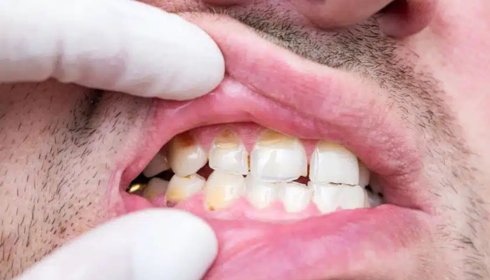
Early signs often show up on the front teeth because they’re most exposed. You might notice the edges looking thinner, slightly transparent, or more “see-through” near the tips. The surface can become smoother and shinier in a way that doesn’t feel quite right. Sensitivity to cold drinks or sweet foods can increase, even without visible holes.

Erosion is made worse when acidic drinks are sipped slowly throughout the day, or used like mouthwash before swallowing. Brushing immediately after an acidic drink can also harm softened enamel further.

You don’t have to eliminate all acids, but you can limit the damage by:

  • Keeping such drinks for occasional use instead of daily habit
  • Consuming them with meals rather than alone
  • Rinsing with water afterwards
  • Using a soft toothbrush and not scrubbing hard

If you notice changes in your front teeth, a dentist can assess the extent of erosion and suggest treatments, from remineralising products to bonding.

Mouth Breathing vs Nose Breathing: How It Changes Your Oral Health Over Time

0

Breathing through the mouth occasionally is normal – for example during intense exercise or a blocked nose from a cold. But when mouth breathing becomes your default, day and night, your oral health can slowly suffer.

Nose breathing naturally filters, warms and humidifies the air before it reaches your lungs. Mouth breathing, in contrast, tends to dry out the mouth. Saliva, which protects teeth and gums, becomes less effective when the mouth is open and airflow is constant. A dry mouth encourages plaque buildup, bad breath and faster cavity formation.

Over time, chronic mouth breathing can also influence jaw and dental development in children, contributing to narrow arches or crowding in some cases. In adults, it often goes together with snoring, restless sleep or fatigue.

If you notice that your lips are usually parted, you wake with a dry throat, or your pillowcase has drool marks regularly, it’s worth paying attention. Sometimes the cause is as simple as nasal allergies or a deviated septum; other times, it’s tied to habit and posture.

A combination of ENT evaluation, allergy management, breathing exercises and dental guidance can help you gently move back towards nose breathing. Your teeth, gums and sleep quality will all thank you.

Night-Time Teeth Grinding: Everyday Clues That You Might Be Doing It in Your Sleep

0

A lot of people grind or clench their teeth at night without realising it. Because it happens in deep sleep, they only see the side effects during the day. One common clue is waking up with a tight or tired jaw, as if it has been working hard all night. Some people notice dull headaches around the temples when they get out of bed.

Your teeth may also start telling the story. Flattened chewing surfaces, small chips, sensitivity to cold, or hairline cracks can appear over time. A partner may mention grinding noises at night. Even if you sleep alone, your dentist can often spot signs of wear during a routine check-up.

Night-time grinding is often linked with stress, anxiety, or an overactive mind. It can also be related to bite issues or sleep disturbances in some people. Ignoring it isn’t wise; long-term grinding can damage enamel, stress fillings and put pressure on jaw joints.

Simple steps include working on stress management, relaxing the jaw consciously during the day, and avoiding very hard or chewy foods if your muscles are already sore. In many cases, a dentist-made night guard can protect your teeth while you work on underlying causes.